
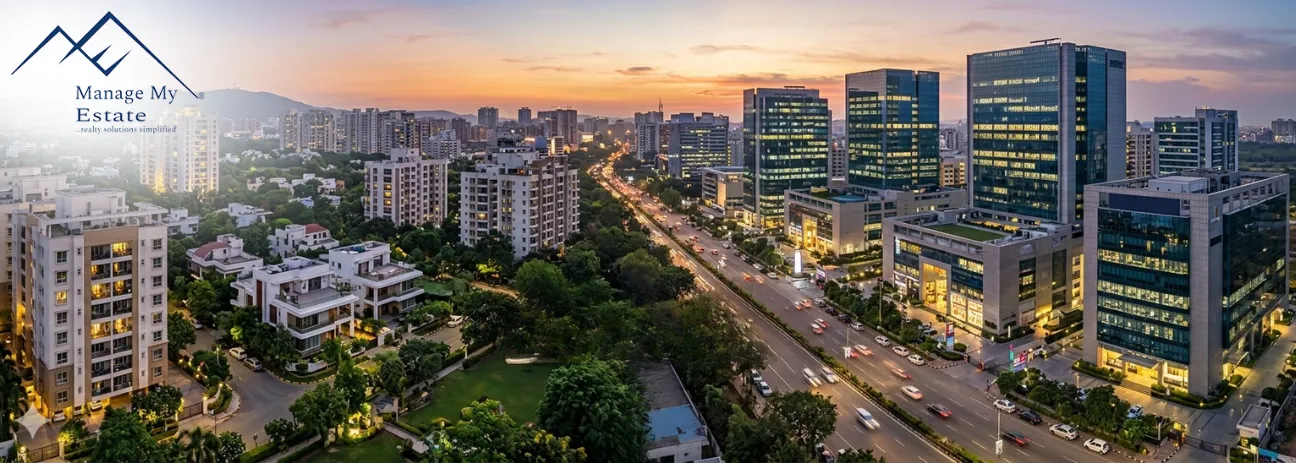
India’s property market continues to attract significant Non-Resident Indian (NRI) capital. Backed by strong GDP growth, massive infrastructure expansion (metros, expressways, and industrial corridors), and rapid urbanization, real estate serves as both a wealth-building tool and a tangible tie to home.
While Tier-1 hubs like Bengaluru, Hyderabad, Pune, Mumbai, Chennai and Gurgaon remain the gold standard for high rental demand, emerging Tier-2 cities are rapidly gaining traction as high-growth investment corridors.
The Foreign Exchange Management Act (FEMA) regulates all property inflows from overseas. The rules have been heavily streamlined to encourage investment, but strict boundaries remain:

To avoid delays in registration and home loan approvals, keep these documents ready. If you cannot travel to India to sign the paperwork, you can legally execute a Power of Attorney (PoA) to a trusted local representative, provided it is notarized and attested by the Indian Embassy or Consulate in your country.
|
Document Category |
Specific Items Required |
|
Identity & Status |
Valid Passport & Visa / OCI Card |
|
Tax & Financials |
PAN Card (Permanent Account Number) |
|
Address Verification |
Overseas address proof |
|
Funding Proof |
NRE/NRO/FCNR bank statements, passport-size photos |
|
Income Verification |
Employment contract/pay slips (if applying for an Indian home loan) |
Financing an Indian property from abroad is highly accessible. Leading Indian banks and housing finance institutions offer specialized NRI home loans, typically funding 80% to 85% of the property value.
Lenders assess loan eligibility based on your overseas income stability, credit score, and country of residence. Repayments are automatically routed through your NRE or NRO accounts, and most top-tier banks now offer completely digital, remote application processes.
Owning property in India triggers specific tax obligations that directly impact your net returns:

The Smart Workaround: Leveraging professional property management companies (like Manage My Estates) bridges the geographical gap. They handle tenant vetting, rent collection, routine maintenance, and legal compliance, transforming a stressful cross-border chore into a truly passive income stream.
Investing in Indian real estate offers an exceptionally strong blend of wealth creation, high rental potential, and long-term security for NRIs. However, because you are managing this investment from across borders, a successful outcome relies entirely on a disciplined approach.
By strictly adhering to FEMA compliance, verifying every document through RERA and independent legal checks, and choosing a reliable financing and property management strategy, you can easily mitigate the risks of remote ownership. Treat your property purchase not just as a sentimental asset, but as a structured business venture, and the Indian market can deliver impressive returns for your global portfolio.
1. Can NRIs buy both residential and commercial properties in India?
Yes, NRIs and OCIs can purchase residential apartments, villas, plots, office spaces, and commercial properties in India without prior RBI approval under FEMA regulations.
2. Can an NRI buy agricultural land or a farmhouse in India?
No, NRIs are not permitted to directly purchase agricultural land, plantation property, or farmhouses in India unless acquired through inheritance or specific legal provisions.
3. What documents are mandatory for NRIs to purchase property in India?
A valid passport, PAN card, overseas address proof, visa/OCI card, and NRE/NRO/FCNR banking documents are typically required to complete a property transaction.
4. Can NRIs get a home loan in India to buy property?
Yes, most Indian banks offer NRI home loans covering up to 80–85% of the property's value, subject to income eligibility and credit assessment.
5. Why should NRIs consider professional property management services?
Professional property management helps handle tenant issues, rent collection, maintenance, inspections, and legal compliance, making remote ownership easier and more secure.